Precision Surface Engineering
Precision Electroless Nickel Plating Services
PartsMake provides high-performance electroless nickel plating for precision-engineered components. Our chemical deposition process delivers uniform coating thickness across external and internal surfaces, including deep bores, blind holes, complex channels, and intricate threads.
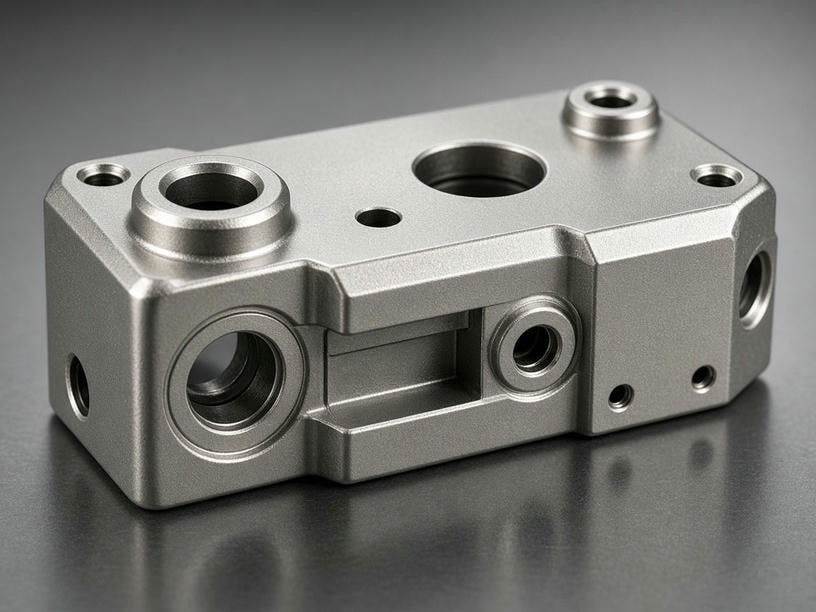
Uniform
Coverage across complex geometries
±0.01 mm
Critical tolerance consideration
Coverage
Internal and external surfaces
Performance
Corrosion and wear protection
Integration
Plating planned with CNC production
Why EN plating
A consistent finish for demanding geometries
Electroless nickel uses an autocatalytic chemical reaction rather than an electrical current. This helps avoid the excessive corner buildup and recessed thin spots associated with electrolytic processes.
Discuss your component requirementsUniform deposit
Consistent thickness on internal and external surfaces, including deep cavities and blind holes.
Corrosion resistance
Protection for parts exposed to salt spray and harsh chemical environments.
Surface hardness
Strong as-plated hardness with additional gains available through controlled heat treatment.
Complex geometry coverage
Chemical deposition reaches areas standard anodes cannot effectively penetrate.
Technical specifications
Select the phosphorus level for the application
Low-, mid-, and high-phosphorus deposits provide different balances of hardness, corrosion resistance, and functional performance.
| Property | Low Phosphorus 2–5% |
Mid Phosphorus 6–9% |
High Phosphorus 10–13% |
|---|---|---|---|
| Typical coating thickness | Specified to drawing and application | Specified to drawing and application | Specified to drawing and application |
| Hardness, as-plated | 550–650 HV | 450–550 HV | 400–500 HV |
| Hardness, heat treated | 900+ HV | 800–900 HV | 750–850 HV |
| Corrosion resistance | Moderate | Good | Excellent |
| Primary use | Wear resistance | General purpose | Chemical and acid resistance |
Final coating thickness is established from the component drawing, tolerance requirements, and intended service conditions.
Process comparison
Electroless nickel vs. electrolytic nickel
The choice of process affects thickness distribution, geometry coverage, and how the coating must be considered during part design.
Managing precision dimensions
For critical tolerances such as ±0.01 mm, PartsMake accounts for plating thickness during CNC machining. This allows the finished component to meet drawing specifications after the coating is applied.
Performance enhancement
Post-plating heat treatment
Controlled vacuum heat treatment is available when semiconductor, automotive, and other demanding applications require increased wear resistance.
- ✓Increase surface hardness to match hardened tool steels.
- ✓Improve adhesion to the substrate.
- ✓Relieve internal stresses from the manufacturing process.
Material compatibility
Validated before production
Our engineering team reviews material compatibility to support adhesion and performance across common precision-manufacturing substrates.
Carbon and alloy steels
Adhesion and corrosion protection
Stainless steels
300/400 series for marine or acidic environments
Aluminum alloys
Improved wear resistance and hardness
Copper and brass
Suitable for electronics and thermal management
Integrated manufacturing
Plating engineered into the production plan
Plating is reviewed from the start of the manufacturing process, not treated as an afterthought. This coordinated approach helps minimize lead times and communication gaps.
Masking requirements
Identify surfaces that must remain uncoated for assembly or electrical grounding.
Tolerance compensation
Adjust CNC machining dimensions to accommodate the specified plating thickness.
Racking points
Determine contact points that avoid visual defects on critical mating faces.
Common questions
Plan your electroless nickel project
Request a project review
Bring your precision component to the right finish
Whether you are scaling from prototype to low-volume production or need repeat manufacturing for industrial components, send your drawings and technical requirements for a DFM review and detailed project quote.
Email:
Address: