Industrial painting for visible components
Industrial Painting for Plastic Housings and Metal Cosmetic Parts
"PartsMake" provides liquid spray painting for custom plastic housings, metal covers, panels, brackets, enclosures, and other visible components. We manage surface preparation, primer, color matching, masking, topcoat application, curing, and inspection as part of the manufacturing process.
Plastic + metal
Substrate-specific coating reviews
Pantone / RAL
Color matching and sample approval
Full scope
From preparation through packaging
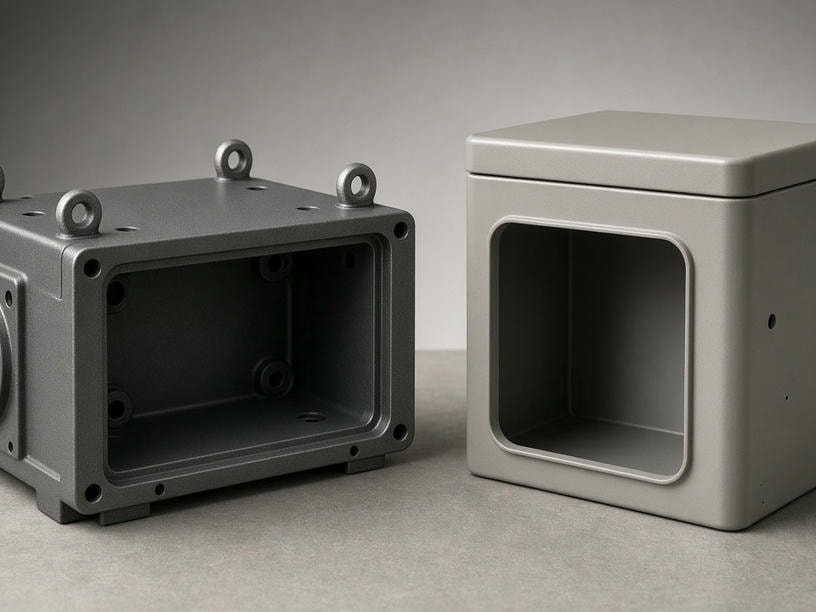
Built for appearance and performance
Painting can protect the substrate, provide chemical or electrical resistance, hide suitable surface variation, and maintain a consistent product appearance.
Engineering review
Parts that must look right and perform properly
Paint is not only a cosmetic layer. We review the complete part and application before recommending a painting approach, helping identify risks before production begins.
Substrate and surface
Plastic or metal type, texture, oxidation, mold release, machining marks, and existing coating condition.
Appearance control
Film thickness, color standard, acceptable variation, gloss level, and approval method.
Functional interfaces
Masking, threads, grounding points, sealing surfaces, mating faces, and dimensional limits.
Production conditions
Quantity, schedule, handling, wear conditions, inspection requirements, and packaging protection.
This review helps prevent paint buildup in tight gaps, poor adhesion on difficult plastics, visible flow marks, batch-to-batch color variation, and masking lines in exposed locations.
Liquid spray painting
A controlled coating sequence from preparation to shipment
The exact paint system and number of coats depend on the material, geometry, color, application, and performance requirements.
Review and prepare
Inspect the incoming surface and perform cleaning, deburring, sanding, blasting, or other preparation as required.
Prime the substrate
Apply a suitable primer to improve adhesion, support corrosion protection, level minor variation, and create a consistent base.
Apply color and topcoat
Spray the specified color and film thickness, followed by a clear or protective layer where gloss, chemical, scratch, or tactile performance requires it.
Cure, inspect, and pack
Use an approved ambient or heated cure, inspect the finished parts, and protect them for shipment or assembly.
Substrate-specific expertise
Coating options for housings, covers, panels, and brackets
Plastic housings
ABS · PC · PC/ABS · NylonInjection-molded electronic housings, bezels, robotics enclosures, medical panels, automotive components, consumer products, and 3D-printed prototypes may all require different preparation.
- ●Evaluate low surface energy, mold release residue, texture, ribs, bosses, sharp edges, and deep recesses.
- ●Use cleaning, abrasion, controlled sanding, or adhesion-promoting primer as appropriate.
- ●Review gate marks, sink marks, weld lines, parting lines, warpage, and texture before painting.
Metal cosmetic parts
Aluminum · steel · stainlessPaint CNC-machined covers, sheet metal enclosures, fabricated brackets, frames, castings, and visible trim parts after forming or machining.
- ●Coordinate degreasing, sanding, abrasion, blasting, deburring, and substrate-specific treatment.
- ●Account for welds, bends, machined edges, threaded holes, tapped features, and contact surfaces.
- ●Compare painting with powder coating, anodizing, plating, passivation, or another finish when appropriate.
Finish specification
Define the coating before production
A clear finish specification reduces interpretation during quoting and production. If the final requirement is not fully defined, our engineering review can identify the information needed for a practical coating plan.
| Parameter | What we review | Typical considerations |
|---|---|---|
| Film thickness | Primer, color coat, clear coat, and total dry film thickness | Appearance, edge coverage, dimensional limits, fit, and masking zones |
| Color matching | Approved sample, Pantone, RAL, digital reference, or customer standard | Substrate, lighting, gloss, batch tolerance, and approval method |
| Gloss | Glossy, semi-gloss, satin, matte, or textured appearance | Measurement angle, viewing conditions, tactile requirements, and design intent |
| Material | Plastic or metal substrate and existing coating | Adhesion, compatibility, surface energy, corrosion risk, and heat sensitivity |
| Adhesion | Coating bond to the prepared substrate | Primer, preparation, cure condition, and project-specific testing |
| Curing method | Ambient cure, heated cure, or another approved process | Paint chemistry, substrate temperature limit, volume, and handling time |
| Masking | No-paint areas or areas receiving a different finish | Threads, grounding points, sealing surfaces, mating faces, and datum features |
Color and masking control
Design the finish around the part
Good painting results begin before the spray stage. Masking and surface preparation should be considered during part design, not added after the manufacturing process is fixed.
Pantone and RAL color matching
We can work with Pantone and RAL references when appropriate for the selected coating system. For critical appearance requirements, a physical master sample or approved color standard is preferable to a screen image or uncalibrated digital file.
Primer color, opacity, substrate texture, gloss, lighting, viewing angle, clear coat, and batch variation can all affect the result. A sample approval step can establish the color reference, gloss requirement, and acceptance criteria for repeat production.
One manufacturing partner
Coordinate painting with the rest of your parts program
We support prototypes, engineering samples, pilot builds, low-volume production, and repeat orders. Painting can be combined with CNC machining, sheet metal fabrication, injection molding, 3D printing, finishing, assembly, inspection, and packaging.
CNC machining
Review edge breaks, coating allowance, cosmetic faces, holes, threads, and critical dimensions.
Sheet metal
Prepare welds, bends, sharp edges, visible surfaces, grounding zones, and distortion before coating.
Injection molding
Align resin, texture, gate locations, parting lines, primer compatibility, and coating access.
3D printing
Support sanding, filling, sealing, and appearance preparation for representative prototypes.
Inspection and assembly
Protect mating areas and verify fit, dimensions, coating, labels, and packaging requirements.
Quality control
Inspect against defined criteria
A painted part should be evaluated against the drawing, finish specification, approved sample, and intended use rather than a general expectation of “good appearance.”
Define your inspection planAcceptance criteria should identify viewing distance, lighting, critical cosmetic areas, permissible variation, and rejection conditions. For assemblies, we also consider paint buildup affecting fit, grounding, sealing, or fastener installation.
RFQ checklist
What to include in a painting RFQ
Send the information available at the quotation stage. Complete documentation helps us confirm feasibility and provide a more useful quotation.
- 2D drawing and 3D CAD file
- Part material and manufacturing process
- Prototype or production quantity
- Pantone or RAL reference
- Gloss, texture, and film thickness
- Masking and no-paint zones
- Adhesion, chemical, abrasion, or environmental requirements
- Critical dimensions after painting
- Inspection documentation requirements
- Assembly, labeling, or packaging instructions
If the coating specification is incomplete, send the application details and reference photos. We can identify missing technical information and discuss a suitable process before production.
Start your project
Request a Painting RFQ from PartsMake
Send your drawings, 3D files, material requirements, target quantity, and finish expectations. Our engineering team will review the part, identify manufacturing risks, and return a quotation based on the required painting process and overall production scope.
Email:
Company address: